
Are Virtual Cards Safe? Everything You Need to Know in 2026
Online payments have changed the way people shop, subscribe, and manage money.
From streaming subscriptions and digital software to international purchases and online services, almost everything today depends on fast and convenient payments.
However, one major concern continues to grow:
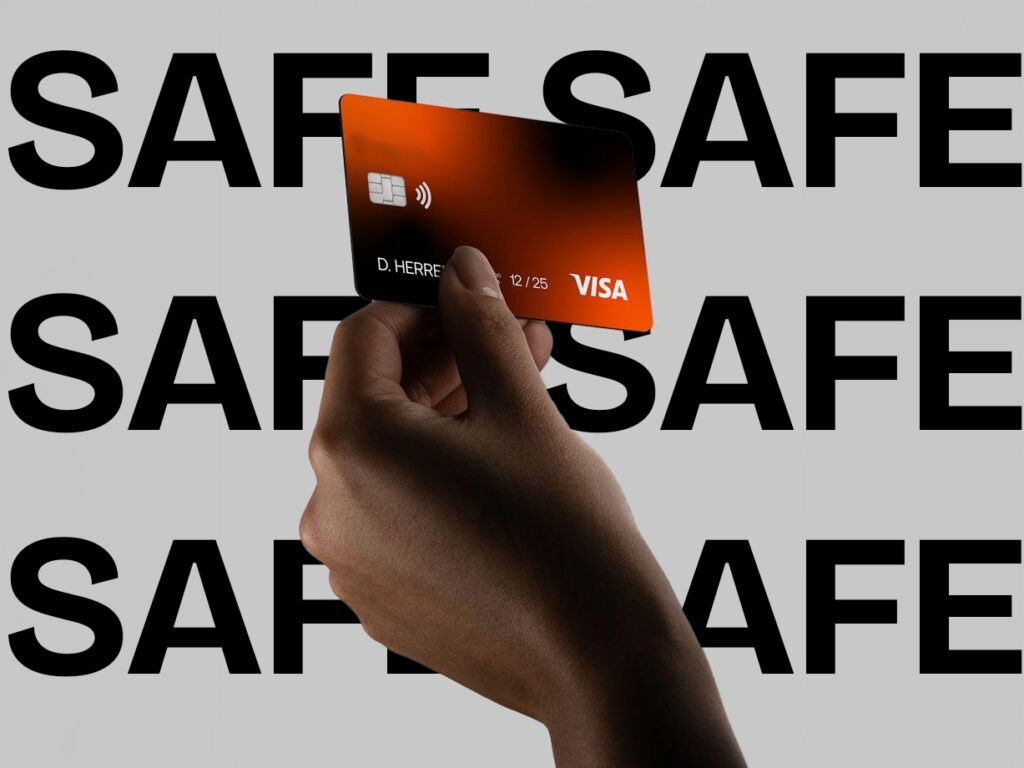
Are online payments truly safe?
With increasing fraud, phishing scams, stolen card information, and unauthorized charges, many people are now looking for safer ways to pay online.
This is where virtual cards are becoming increasingly popular.
But one common question remains:
Are virtual cards safe?
The short answer is:
Yes — virtual cards are generally considered safer for online transactions when used properly.
In this guide, we’ll explain how virtual cards work, why they are considered secure, and how you can use them safely in 2026.
What Are Virtual Cards?
A virtual card is a digital payment card used for online transactions.
Unlike traditional physical cards, virtual cards exist digitally and are designed primarily for internet payments.
A virtual card usually includes:
- Card number
- Expiration date
- Security code (CVV)
These cards are commonly used for:
- Online shopping
- Monthly subscriptions
- Digital services
- Software payments
- International purchases
Instead of repeatedly exposing your primary payment card online, many users prefer virtual cards for an additional layer of payment control.
Why Are People Switching to Virtual Cards?
Online payment risks continue increasing every year.
People want:
- Better payment security
- More control over subscriptions
- Better privacy
- Safer international payments
As a result, virtual cards have become a popular option for managing online spending.
Many users now prefer separating online payments from their main banking card.
How Virtual Cards Improve Payment Security
One reason people choose virtual cards is because they are designed specifically for online transactions.
Let’s understand how they improve security.
Reduced Exposure of Your Main Card
One of the biggest online payment risks comes from repeatedly using the same card on multiple websites.
The more places your payment information exists online, the higher the risk.
Virtual cards help reduce this exposure by acting as a separate payment method.
Instead of using your primary card for every subscription or purchase, users often prefer a dedicated digital payment solution.
Better Subscription Management
Subscriptions can become difficult to manage over time.
Many people pay for:
- Streaming services
- Software tools
- AI platforms
- Cloud storage
- Monthly memberships
Using a virtual card for subscriptions helps keep payments organized.
It also makes it easier to separate recurring payments from daily spending.
More Control Over Online Spending
Virtual cards can help users maintain better visibility into digital expenses.
For people managing multiple subscriptions or business tools, this adds convenience and better organization.
Common Online Payment Risks
Before understanding why virtual cards are considered safe, it helps to understand common online risks.
1. Card Information Theft
Some websites may suffer security breaches.
If payment information becomes exposed, unauthorized transactions can happen.
This is one reason users prefer alternative payment solutions for online purchases.
2. Subscription Confusion
Many users forget active subscriptions.
Over time, monthly payments continue without notice.
Using separate payment methods can make subscription tracking easier.
3. Fraudulent Websites
Not all online stores are trustworthy.
Entering payment information on suspicious websites increases risk.
Users should always verify website credibility before making payments.
4. Phishing Attacks
Cybercriminals sometimes create fake websites or emails pretending to be trusted brands.
These scams attempt to steal login credentials or payment details.
Users should always double-check URLs before entering sensitive information.
Are Virtual Cards Safer Than Physical Cards?
This depends on how you use them.
For online transactions, many users consider virtual cards more convenient and secure because they are designed specifically for digital payments.
Here’s a comparison:
| Virtual Cards | Physical Cards |
|---|---|
| Designed for online payments | Designed for everyday use |
| Better payment separation | Used everywhere |
| Useful for subscriptions | Main payment method |
| Better online spending organization | Less payment separation |
For frequent internet users, virtual cards can offer practical advantages.
Best Practices for Safe Online Payments
Even though virtual cards improve online payment safety, users should still follow good habits.
Use Trusted Websites Only
Before paying online:
- Check website credibility
- Read reviews
- Verify secure checkout pages
Avoid suspicious websites.
Avoid Public Wi-Fi for Payments
Public internet networks are not always secure.
When making payments, use trusted connections whenever possible.
Use Strong Passwords
Payment accounts should always use strong passwords and security measures.
Avoid using the same password across multiple services.
Monitor Transactions
Regularly checking payment activity helps users notice unusual transactions quickly.
Good spending awareness improves overall financial security.
Are Virtual Cards Good for Subscriptions?
Yes.
Many users specifically choose virtual cards for subscription services.
Popular use cases include:
- Entertainment platforms
- Productivity tools
- Premium software
- Cloud services
- Online memberships
Using a dedicated payment method helps organize recurring expenses more effectively.
Are Virtual Cards Safe for International Payments?
International purchases continue growing every year.
People now subscribe to global software, buy products internationally, and pay for digital services worldwide.
Virtual cards are commonly used for online international spending because they provide flexibility for digital payments.
However, users should still choose reliable payment providers and trusted websites.
Frequently Asked Questions
Are virtual cards safer than debit cards?
For online spending, many users prefer virtual cards because they help separate internet purchases from primary banking activity.
Can virtual cards prevent fraud?
No payment method guarantees complete fraud prevention, but virtual cards can improve payment organization and reduce exposure of primary card information.
Are virtual cards good for subscriptions?
Yes. They are commonly used for recurring billing and digital memberships.
Can virtual cards be used internationally?
Many virtual cards support international online payments and global digital purchases.
Are virtual cards safe for online shopping?
Generally, yes — especially when used with trusted merchants and secure payment habits.
Final Thoughts
As digital payments continue growing, payment security matters more than ever.
People now shop online, subscribe to software, use global services, and manage recurring payments daily.
This shift has increased demand for smarter payment solutions.
Virtual cards are becoming a popular choice because they help users manage online spending with more convenience and better organization.
While no payment method is completely risk-free, responsible online habits combined with secure payment practices can significantly improve online safety.
If you regularly shop online, manage subscriptions, or make digital payments, understanding how virtual cards work can help you make smarter payment decisions in 2026.